Europe’s Economy and Green Transition Demand a New Approach to Investment
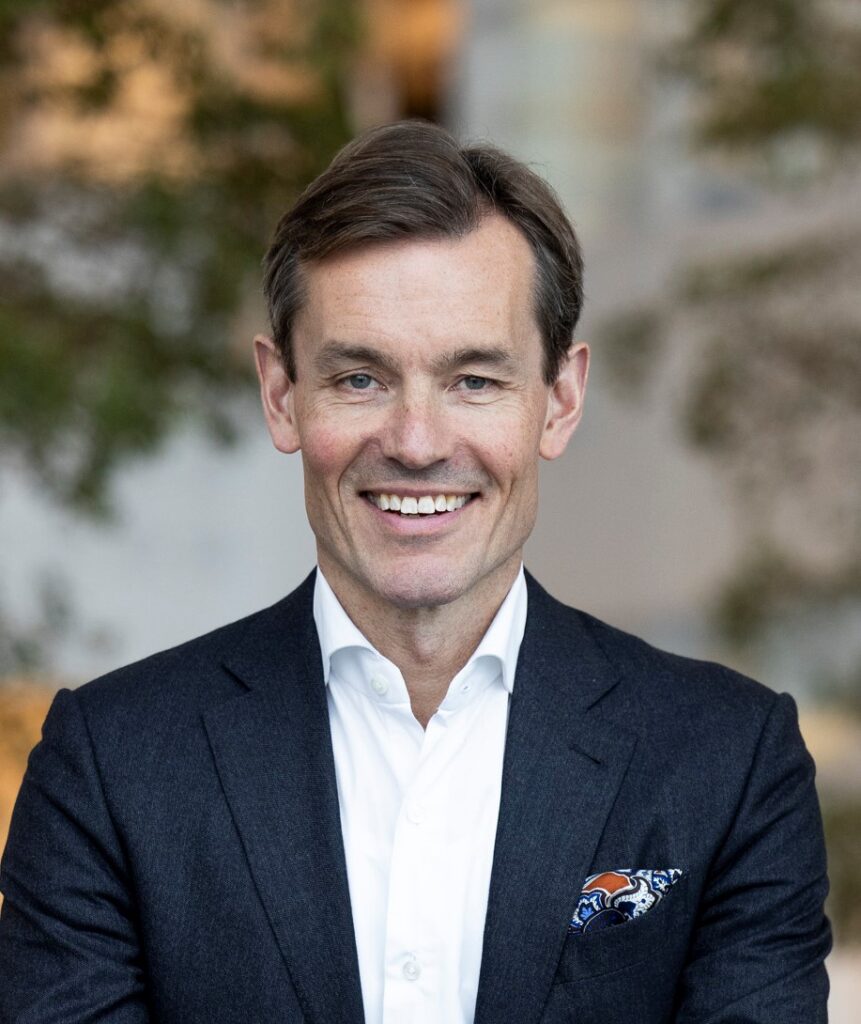
Europa og Danmark kan fint konkurrere på forskning og venturekapital. Men vi skal investere anderledes og langt mere offensivt, så virksomheder med kritisk ny teknologi ikke flytter over Atlanten, når produktet skal kommercialiseres og skaleres, mener Rolf Kjærgaard.
Hvad nytter det at have en fornuftig pensionsopsparing, hvis man samtidig lever i et land og en region af verden, hvor økonomien er sakket bagud med alt hvad det indebærer for velfærd og jobmuligheder, og man samtidig uden for sin dør tydeligt kan se resultaterne af de uløste klima- og miljøkriser?
Det er Rolf Kjærgaard, bestyrelsesleder for partnerskabet Invest for Impact Denmark og direktør for Vækstfonden frem til 2022, som stiller tingene skarpt op. Hans centrale pointe er, at vi i Danmark og Europa radikalt skal ændre vores tilgang til investeringer. Det er afgørende, både for at løse de økonomiske udfordringer Europa står over for og for at udvikle virksomheder med nye cirkulære og bæredygtige teknologier.
“Vi har masser af relevant forskning i Europa, som er afsættet for vækstvirksomheder. Problemet er længere henne i økosystemet. Når idéerne skal udvikles, kommercialiseres og skaleres, kræver det store investeringer. Her svigter vi i Europa, og de teknologiske vækstvirksomheder søger i stor stil mod USA,” siger han.
Det koster. For det er først, når virksomhederne er store, de leverer den samfundsmæssige værdi med vækst, job og indtægter for både ansatte, aktionærer og statskassen.
Europæisk udfordring
Rolf Kjærgaard peger på tre afgørende elementer i økosystemet for vækstvirksomheder, som han mener er afgørende for, at vi som samfund kan frembringe virksomheder med nye banebrydende teknologier og høste den samfundsøkonomiske gevinst. Det er forskningen, adgangen til kapital og den eksisterende industri.
“Når vi ser på forskningen, er vi rigtig gode i Europa. Det viser både antallet af patenter og videnskabelige artikler. Inden for biotech, pharma, klima- og miljøteknologier er vi helt på højde med USA, og på nogle områder endda bedre. Venturekapitalen til at understøtte virksomhederne i den første fase er også til stede. Her er der både business angels og fonde,” siger han.
Rolf Kjærgaard fortsætter:
“Udfordringen er kapital, når ideerne for alvor skal kommercialiseres og skaleres. Her taler vi om beløb på 100 millioner euro eller mere i hver investeringsrunde. Når du ser på de fonde, der kan løfte det, så er der to i Europa og 45 i USA,” siger han.
Når det gælder den eksisterende industri, bør Europas store, etablerede virksomheder, ligesom de amerikanske, læne sig dybere ind i økosystemet for nye virksomheder og teknologier, mener Rolf Kjærgaard.
”Det handler om at ledelserne i de store virksomheder beslutter sig for strategisk at prioritere ventureinvesteringer i nye virksomheder. Og så holder fast over tid, for det tager op mod ti år at opbygge kompetence og troværdighed som corporate ventureinvestor og samtidig skabe resultater,” siger han.
Mental blokering
Draghirapporten fra efteråret 2024 er på mange måder blevet et wake-up call. For med rapporten blev det påpeget, at Europa var ved at blive verdensøkonomiens gamle trætte mand, mens det var USA og Asien, som lå i spidsen med fremtidens teknologier.
Som i så mange andre sammenhænge gælder talemåden “follow the money” også her. I Europa skal vi blive langt bedre til at investere i os selv, siger Rolf Kjærgaard.
Her er vi tilbage til pensionisten med en polstret pensionsopsparing, som alligevel kan ende lettere deprimeret.
“Hvis dit afkast er skabt med investeringer i amerikansk og asiatisk teknologi og global dominans, som har svækket Europa, hvor er det så dine børn og børnebørn skal finde job?” spørger Rolf Kjærgaard retorisk.
Han efterlyser et opgør med vanetænkningen. Lige som man engang sagde, at der aldrig var en it-chef, som havde mistet jobbet ved at købe IBM, så er der en konservatisme blandt investeringscheferne i de store pensionskasser, hvor den dominerende tilgang er at sprede investeringerne med en stor portefølje af globale aktier.
“Pensionsselskaberne skal tage vare på vores allesammens penge, og de skal ikke gå på kompromis med afkastet, men der er en mental bremse. Når du kigger på det risikojusterede afkast, er der masser af uudnyttede potentialer i at investere i teknologi og innovation i europæiske selskaber,” siger Rolf Kjærgaard.
Med øget appetit på investeringer i Europa vil pensionsselskaberne stadig leve op til det, man kalder fiduciary duty, som også omfatter hensynet til pensionsopsparernes langsigtede interesser, der ligger udover den kortsigtede forrentning.
“En direktør for et hollandsk pensionsselskab sagde meget rammende. Hvad nytter det, at opsparerne får et fint afkast, hvis de knap nok kan trække vejret på grund af forurenet luft,” siger Rolf Kjærgaard.
Vindenergien viste vejen
Han efterlyser nye investeringsværktøjer, og her skal staten og både erhvervsdrivende og almennyttige fonde løfte en særlig opgave.
“Staten og fondene kan have en mere langsigtet tilgang, og de kan leve med større risici i de enkelte investeringscases. Derfor er der behov for, at vi tænker i modeller, hvor du kombinerer staten og fondenes langsigtede investeringer og risikovillighed med kapital på helt almindelige vilkår, hvor der typisk er en langt kortere horisont,” siger han.
Et godt eksempel er Novo Nordisk Fondens og EIFO’s investering i det grønlandske selskab Rock Flour Company, der vil udnytte potentialet i det såkaldt gletsjermel. Det er fint malet klippe, som ligger i bunden af indlandsisen, og løber med smeltevandet ud. Gletsjermelet kan både binde kvælstof og nedsætte klimaudledningerne, når det spredes på helt almindelige marker.
Rolf Kjærgaard nævner også opbygningen af den danske vindmølleindustri som et godt eksempel på, hvordan staten med støtteordninger og garanterede priser op gennem 90’erne og nullerne skabte grundlaget for en vindmølleindustri med developere, producenter og et væld af underleverandører på alt fra logistik til komponenter.
Fondene kan spille ny rolle
Han har et særligt godt øje til fondene. Både de erhvervsdrivende og de almennyttige fonde. Her efterlyser han også et paradigmeskift.
Typisk har fondene en investeringspolitik, som ligger tæt op ad pensionskasser og banker. Det er især gennem de filantropiske uddelinger, at fondene understøtter deres formål. Rolf Kjærgaard ser gerne at der bliver bygget bro over afgrænsningen mellem investering og filantropi.
“Fondene kan blive en endnu vigtigere spiller, fordi de kan agere som en langsigtet investor og fordi de har et stærkt formål. Hvis de arbejder endnu mere målrettet og ambitiøst med såkaldte missionsdrevne investeringer, vil det have langt større impact end det fondene kan udrette alene med deres uddelinger,” siger han.
Ser muligheder i USA
“Klima- og miljøteknologi er et af de områder, hvor Europa er førende. Derfor skal vi også se mulighederne, når Trump-regeringen bakker ud af udbygningen af vedvarende energi, og USA går baglæns på hele bæredygtighedsagendaen,” mener Rolf Kjærgaard.
I forvejen er der europæiske styrkepositioner. Det gælder områder som energi og vandteknologi og fremtidens fødevarer, som kræver en omlægning væk fra de traditionelle animalske produkter.
“Samtidig er der lige nu hundredvis af amerikanske selskaber, som har set deres finansieringsmuligheder, der skal bruges til at kommercialisere og skalere deres teknologier, falde fra hinanden. Der er et momentum for at skabe en strøm i den modsatte vej, så en række innovative amerikanske virksomheder rykker til Europa,” siger Rolf Kjærgaard.